Walk into almost any Australian bathhouse or recovery studio and you’ll be offered one of two kinds of heat: a traditional Finnish sauna or an infrared sauna. Both make you sweat, but they feel quite different.
How a Finnish sauna works
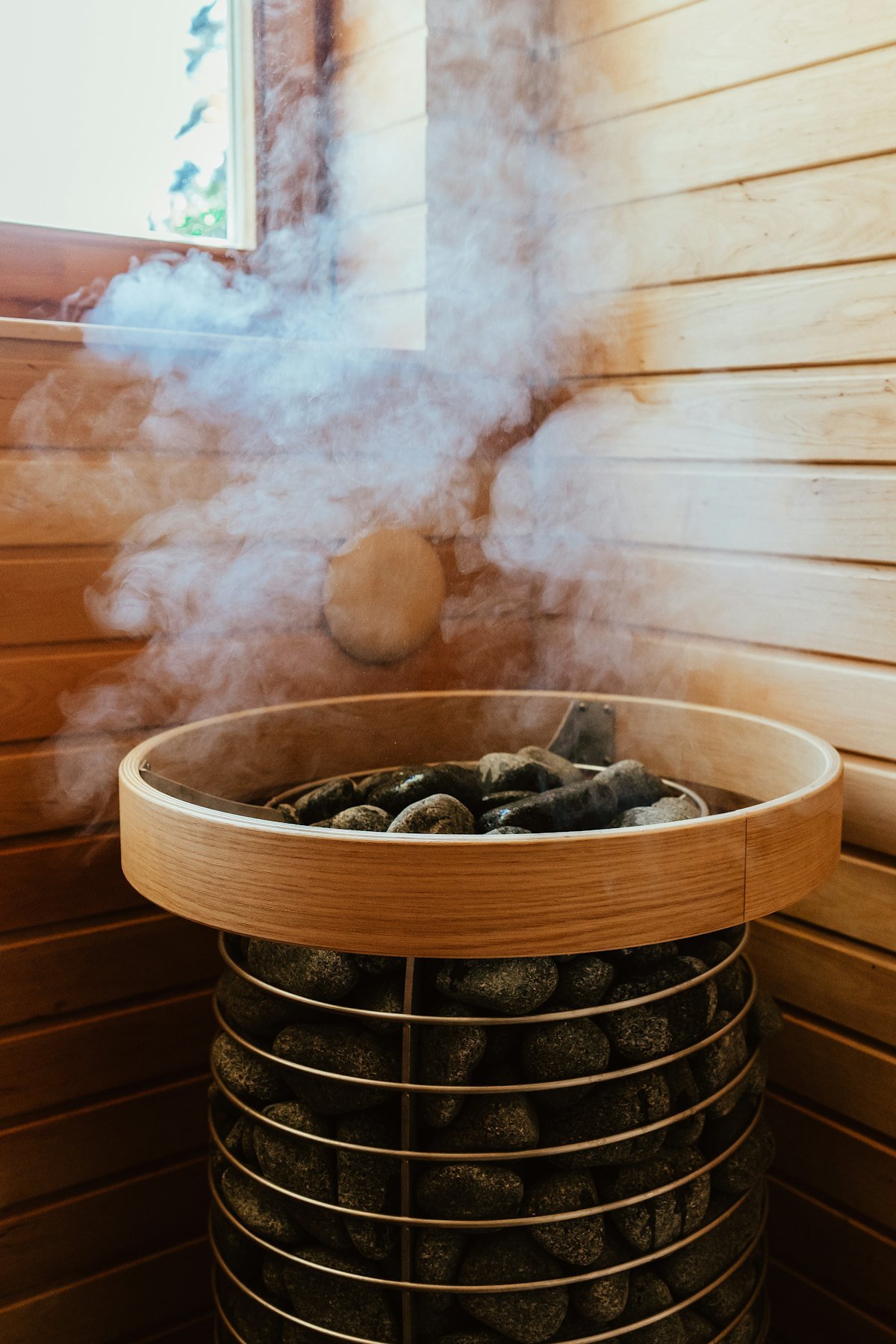
A Finnish (or traditional) sauna uses a heater, electric or wood-fired, to warm a pile of stones. The stones heat the air in a timber room, usually to around 70–100°C. Ladling water over the stones creates löyly, a burst of steam that briefly raises the humidity and makes the heat feel more intense.
- Temperature: 70–100°C air temperature.
- Feel: enveloping, with waves of steam heat.
- Session length: typically 8–15 minutes per round, often with a cool-down in between.
- Best for: social bathing, contrast therapy with a cold plunge, and anyone who loves a strong, classic sauna.
How an infrared sauna works
An infrared sauna uses panels that emit infrared light, which warms your skin and body directly rather than heating all the air first. The cabin stays cooler, around 45–65°C, so many people find it gentler and can stay in longer.
- Temperature: 45–65°C air temperature.
- Feel: a dry, radiant warmth, like sitting in the sun.
- Session length: often 30–45 minutes.
- Best for: first-timers, private sessions and people who find high heat uncomfortable.
Wood-fired, hot-stone and floating saunas
These are all variations on the traditional sauna. Wood-fired saunas burn timber to heat the stones and have a soft, smoky character. You’ll find them on beaches, lakes and floating pontoons from Hobart to Perth. Hot-stone saunas pack in a large mass of rocks for a deep, even heat.
Which should you choose?
If you want the classic ritual, with heat, steam, a cold plunge and repeat, go Finnish or wood-fired. If you’d prefer a quiet, private session at a lower temperature, try infrared. Many venues offer both, so you can compare them in one visit.
Ready to try? Browse Finnish saunas or find an infrared studio near you.
Sauna isn’t for everyone. If you’re pregnant, have a heart condition or low blood pressure, or take medication that affects heat tolerance, talk to your doctor first.